
NeuroScope


.png)
Developmental Language Disorder
( DLD)
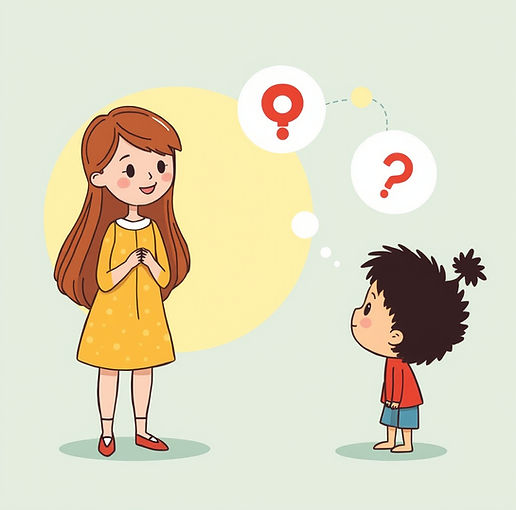
Developmental Language Disorder (DLD) is a lifelong condition that affects how a person understands and uses language. It is not caused by hearing loss, low intelligence or lack of exposure to language, it is a neurodevelopmental difference in how the brain processes and organises language. DLD can affect speaking, understanding, vocabulary, grammar and the ability to express thoughts clearly. With the right support, children, young people and adults with DLD can thrive academically, socially and emotionally.

Early identification of DLD is essential because language underpins learning, social development and emotional wellbeing. When DLD is recognised early:
-
Children receive support before difficulties escalate
-
Misunderstandings about behaviour are reduced
-
Teachers can adapt communication and teaching methods
-
Families gain clarity and confidence in supporting their child
-
Emotional frustration and anxiety are reduced
-
Long‑term outcomes in education and independence improve
DLD does not “go away”, but early support helps individuals thrive with their communication profile.
Developmental Language Disorder can influence many areas of daily life, not just speech. Individuals may find it harder to follow conversations, understand classroom instructions, organise their thoughts or express ideas clearly.
These challenges can affect confidence, social interaction and academic progress, especially in environments where language moves quickly or expectations are high. DLD is often hidden or misunderstood, which means many children and adults go through life without the support they need.
Recognising DLD early and understanding how it shapes communication helps create environments where individuals feel understood, included and able to participate fully.

Key Signs of DLD

Key Signs of DLD Developmental Language Disorder presents differently in every individual, but several signs commonly appear across childhood, adolescence and adulthood. These signs may vary in intensity and may not all be present, but consistent patterns across environments are important to notice.
-
Difficulty following instructions, especially multi‑step directions
-
Challenges understanding long or complex sentences
-
Word‑finding difficulties or frequent pauses
-
Short, simple or grammatically inconsistent sentences
-
Slow processing of spoken information
-
Difficulty keeping up with conversations
-
Limited vocabulary or difficulty learning new words
-
Struggles with storytelling, sequencing or explaining events
-
Reliance on vague language (“that thing”, “you know…”)
These signs are neurological, not behavioural. They reflect differences in how the brain processes language.
Strengths in DLD
DLD does not reflect intelligence. Many individuals with DLD show strong abilities in areas that do not rely heavily on spoken language. Common strengths include:
-
Visual thinking and strong pattern recognition
-
Creativity and imagination
-
Practical, hands‑on problem‑solving
-
Empathy and emotional awareness
-
Determination and resilience
-
Strong long‑term memory for routines and experiences
Highlighting strengths helps shift the narrative from “difficulty” to “difference”.


Impact of DLD
DLD can influence many areas of daily life beyond speech. Individuals may find it harder to follow conversations, understand instructions, organise their thoughts or express ideas clearly. These challenges can affect:
-
Confidence and self‑esteem
-
Social interaction and friendships
-
Academic progress
-
Participation in group activities
-
Emotional regulation
-
Workplace communication (for adults)
Recognising these impacts helps create environments where individuals feel understood and supported.

Downloadable DLD Guide
Access NeuroScope's guide to Developmental Language Disorder (DLD), including detailed explanations, support strategies, strengths, and information for children, teenagers and adults.